





PV 屋根 パネル
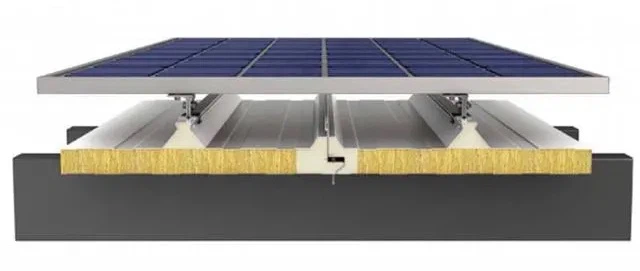
PV (エフプラス)ルーフ パネル are devices that convert solar energy into electricity, usually installed on the roof of a building. it consists of multiple solar panels that generate direct current by absorbing sunlight. The DC power is then converted through an inverter into AC power for home or commercial use. Now there is a metal roof panel that can be directly installed with PV roof panels. It is also called a photovoltaic roof panel in the industry. The emergence of PV roof panels provides an important solution for the development of sustainable energy, which can reduce dependence on traditional energy sources, reduce energy costs, and have a positive impact on the environment.

There are many factors that need to be considered in the design and installation of PV roof panels. First, the right solar panel type and size needs to be selected to meet your specific energy needs. Common solar panel types include monocrystalline silicon, polycrystalline silicon, and thin film solar panels. Each type of battery panel has its own unique characteristics and scope of application. For example, 単結晶 シリコン パネル have high conversion efficiency and long life and are suitable for large photovoltaic systems; while thin film solar panels have lower cost and lighter weight and are suitable for small photovoltaic systems.
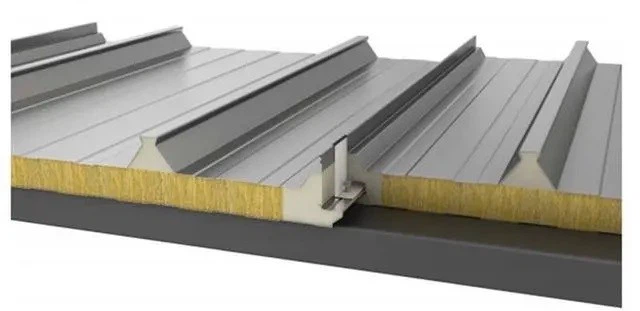
| 製品 名前 | PV ロック ウール サンドイッチ 屋根 パネル |
| モデル | PV-RW950R |
| 950ミリメートル | |
| 厚さ | 50/75/100/120/150mm |
| 仕様 | 波形 高さ 40mm; ピーク 間隔 316mm |
| 表面 材料 | 亜鉛メッキ シート; カラー コーティング スチール シート; アルミニウム プレート({{0}}.4/0.5/0.6/0.7mm) |
第二に, you need to choose the appropriate installation location and angle. should be installed in a sunny location to ensure maximum absorption of sunlight. In addition, the choice of installation angle is also important because the output power of solar panels is related to the angle of sunlight. General speaking, the best installation angle is to make the solar panel face due south and maintain a certain tilt angle with the ground.

Third, the size and shape of the photovoltaic roof panels need to be considered. Photovoltaic roof panels should be sized based on the building's roof area and energy needs. A larger roof area space can accommodate more solar panels, thereby generating more electricity. In addition, different shapes and colors can be chooseen to suit the style and appearance requirements of the building.
第4, the electrical connections and control systems of PV roof panels need to be considered. 太陽光発電 屋根 パネル need to be connected to inverters, battery banks and other electrical equipment to convert and store electrical energy. In addition, a control system needs to be installed to monitor and control the operating status of the photovoltaic system to ensure that it works efficient and stableably.

太陽光発電 屋根 パネル have a wide range of applications and can be used in various places such as residences, commercial buildings, and industrial facilities. It can provide clean, renewable electricity to households, reducing energy consumption and carbon emissions. For commercial buildings, photovoltaic roof panels can reduce energy costs, improve energy efficiency, and establish an environmentally friendly image for the enterprise. In industrial facilities, photovoltaic roof panels can provide a reliable supply of electricity to production processes, reducing reliance on traditional power grids.
で short, PV 屋根 パネル is a device that converts solar energy into electrical energy. It has wide application prospects and important environmental significance. By selecting the appropriate solar panel type, installation location and angle, size and shape, and electrical connection and control system, an efficient and stable photovoltaic power generation system can be achieved. With the development and promotion of renewable energy, photovoltaic roof panels will become an important part of the future energy field.
人気ラベル: PV 屋根 パネル, 中国 PV 屋根 パネル メーカー, サプライヤー, 工場


